B2B Cabinet Wholesale Online Ordering Platform
B2B Cabinet Wholesale Online Ordering Platform
Defining dealer workflows and integrating freight logic for a cabinet wholesaler
Defining dealer workflows and integrating freight logic for a cabinet wholesaler
Cabinet & Stone previously relied on offline ordering and fragmented internal tools.As the business grew, the team needed a online ordering system that could support dealer-specific pricing, complex SKUs, and LTL freight.
Cabinet & Stone previously relied on offline ordering and fragmented internal tools.As the business grew, the team needed a online ordering system that could support dealer-specific pricing, complex SKUs, and LTL freight.
I led the end-to-end definition of the B2B ordering experience, from workflow design to system integration, working closely with PMs and engineers.
I led the end-to-end definition of the B2B ordering experience, from workflow design to system integration, working closely with PMs and engineers.
The platform launched in January 2026, improving ordering efficiency by up to 30% and significantly reducing the need for manual quotes.
The platform launched in January 2026, improving ordering efficiency by up to 30% and significantly reducing the need for manual quotes.
Timeline
Timeline
Aug - Jan 2026
Aug - Jan 2026
Team
Team
Product Designer (me)
Product Designer (me)
2 Developers
2 Developers
1 Project Manager
1 Project Manager
Tools
Tools
Figma
Figma
Notion
Notion
Shopify
Shopify
Disciplines
Discipline
Product Strategy
Product Strategy
User Testing
User Testing
User Flows
User Flows
BACKGROUND
The struggles of selling freight-heavy products online
The struggles of selling freight-heavy products online
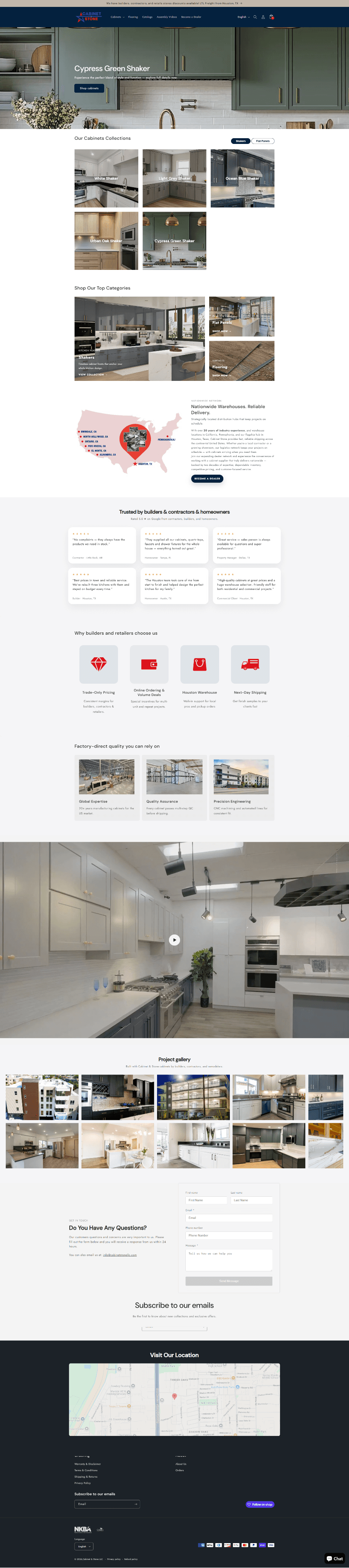
Cabinet & Stone is an early-stage B2B cabinet wholesaler with a strong ambition to move sales online. Freight-based pricing and limited engineering resources made it difficult to design a reliable end-to-end ordering experience, keeping the website informational and orders manual.
Cabinet & Stone is an early-stage B2B cabinet wholesaler with a strong ambition to move sales online. Freight-based pricing and limited engineering resources made it difficult to design a reliable end-to-end ordering experience, keeping the website informational and orders manual.
PROBLEM
Traditional quoting workflows created hidden barriers to online growth
Traditional quoting workflows created hidden barriers to online growth
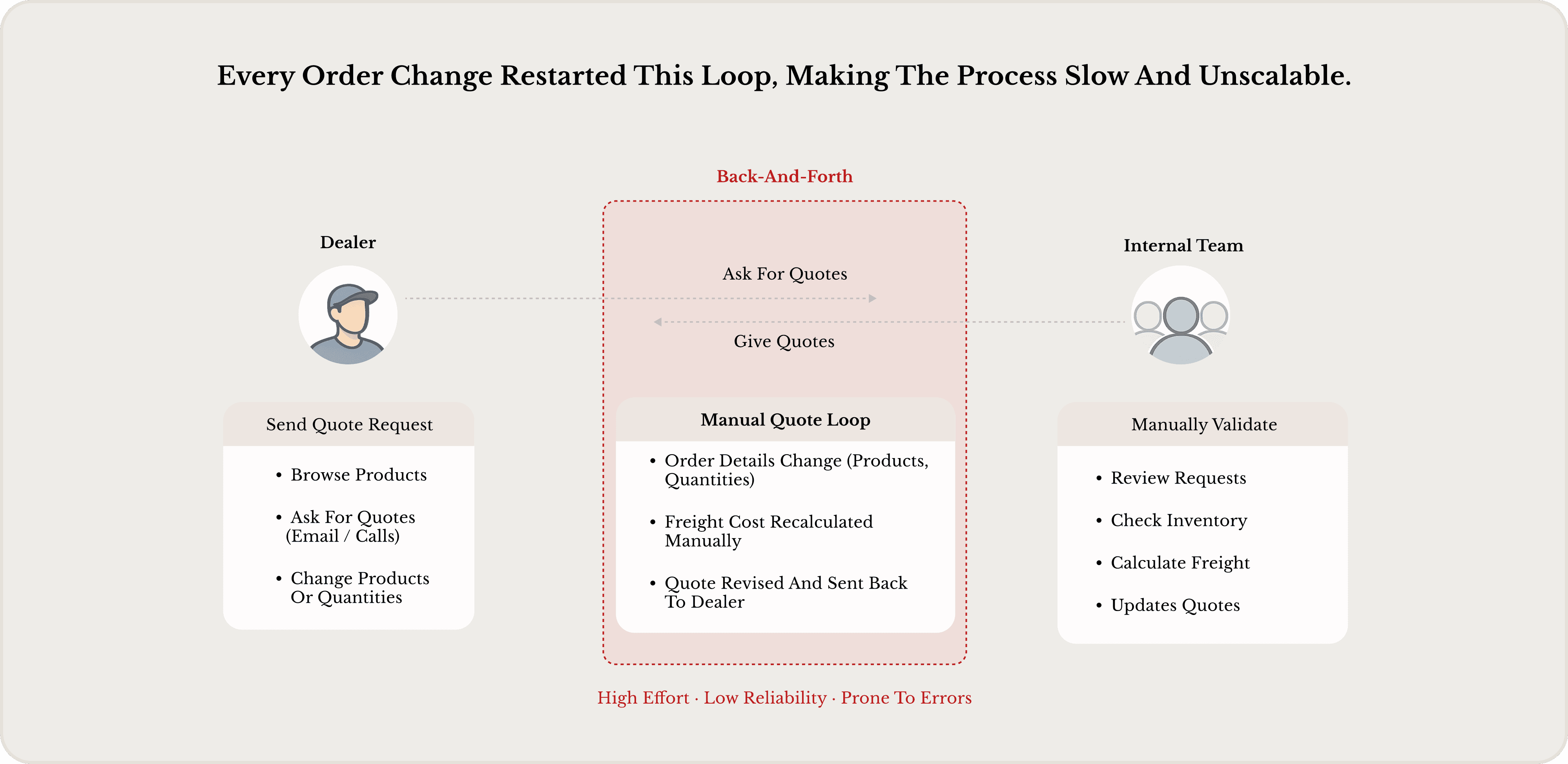
The business relied on manual, experience-driven quoting processes that worked at low volume but failed under scale.
As order volume grew, these workflows became a structural bottleneck—preventing the business from launching online checkout with confidence.
The business relied on manual, experience-driven quoting processes that worked at low volume but failed under scale.
As order volume grew, these workflows became a structural bottleneck—preventing the business from launching online checkout with confidence.
SOLUTION
Designing a self-service, freight-aware B2B ordering experience
Designing a self-service, freight-aware B2B ordering experience
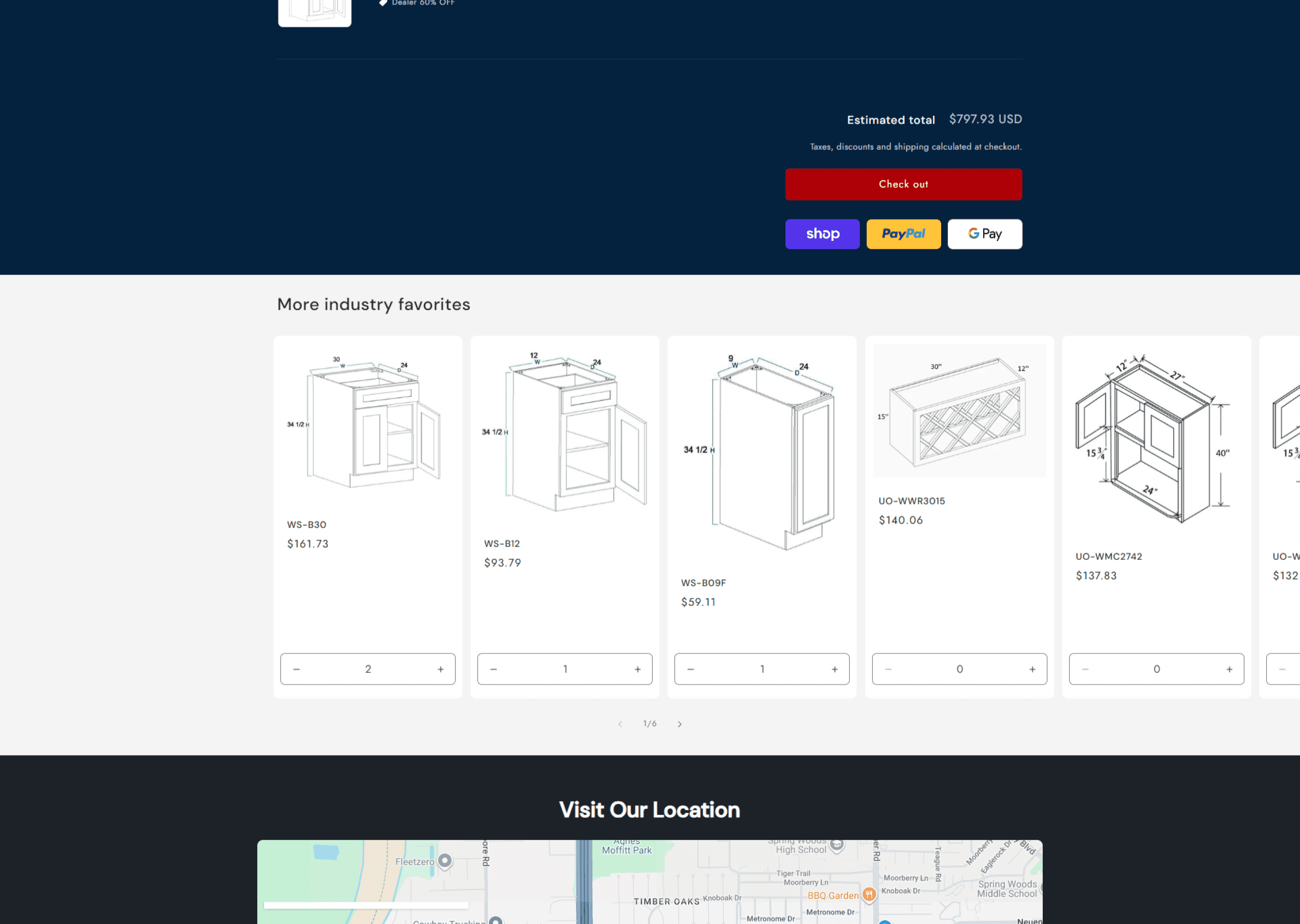
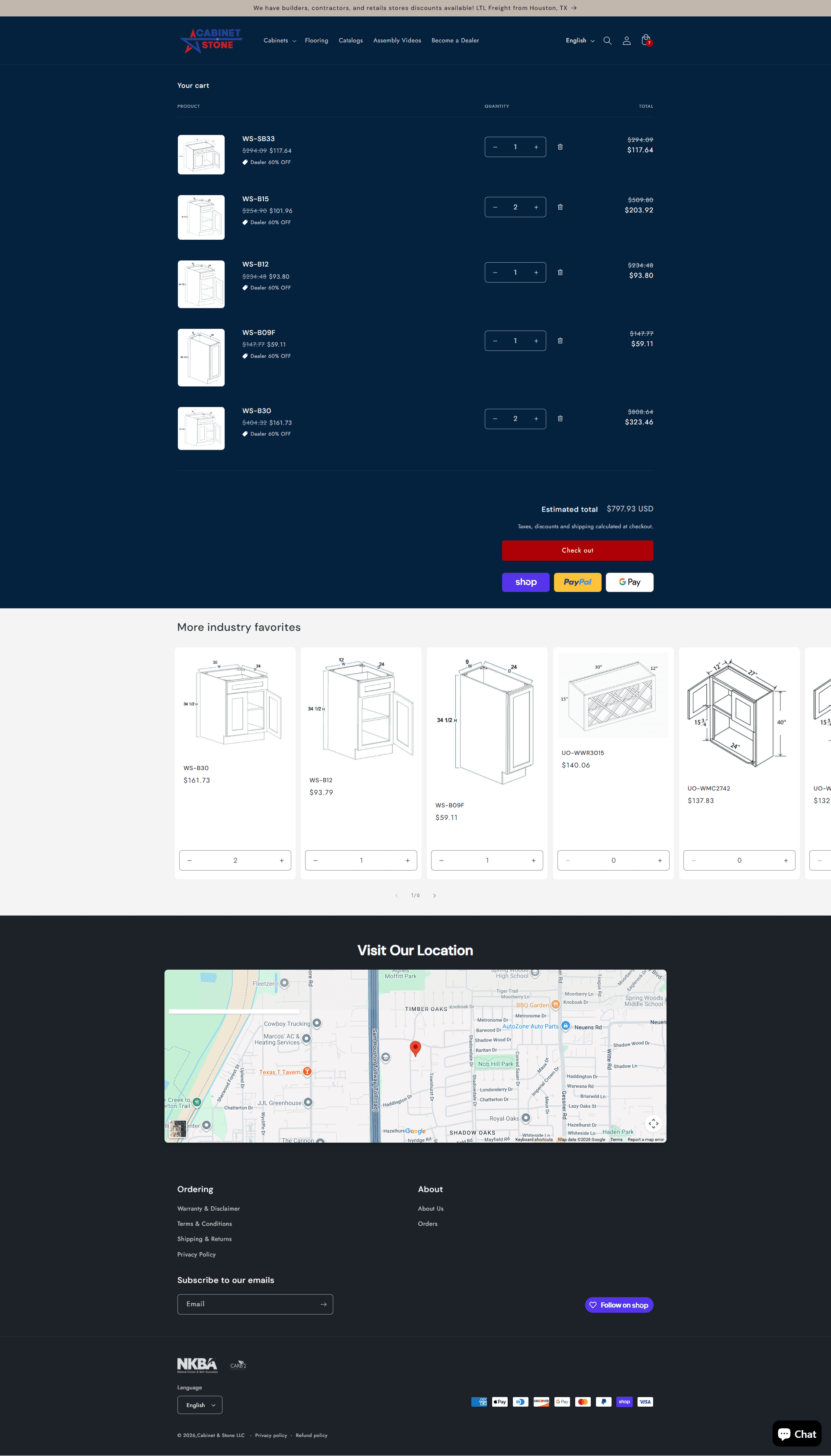
After closely examining how dealers previously requested quotes, I redesigned key parts of the ordering experience so dealers could clearly understand pricing requirements and receive automated freight estimates. The flow also prompts users to complete checkout independently, improving ordering efficiency while minimizing operational risk.
After closely examining how dealers previously requested quotes, I redesigned key parts of the ordering experience so dealers could clearly understand pricing requirements and receive automated freight estimates. The flow also prompts users to complete checkout independently, improving ordering efficiency while minimizing operational risk.
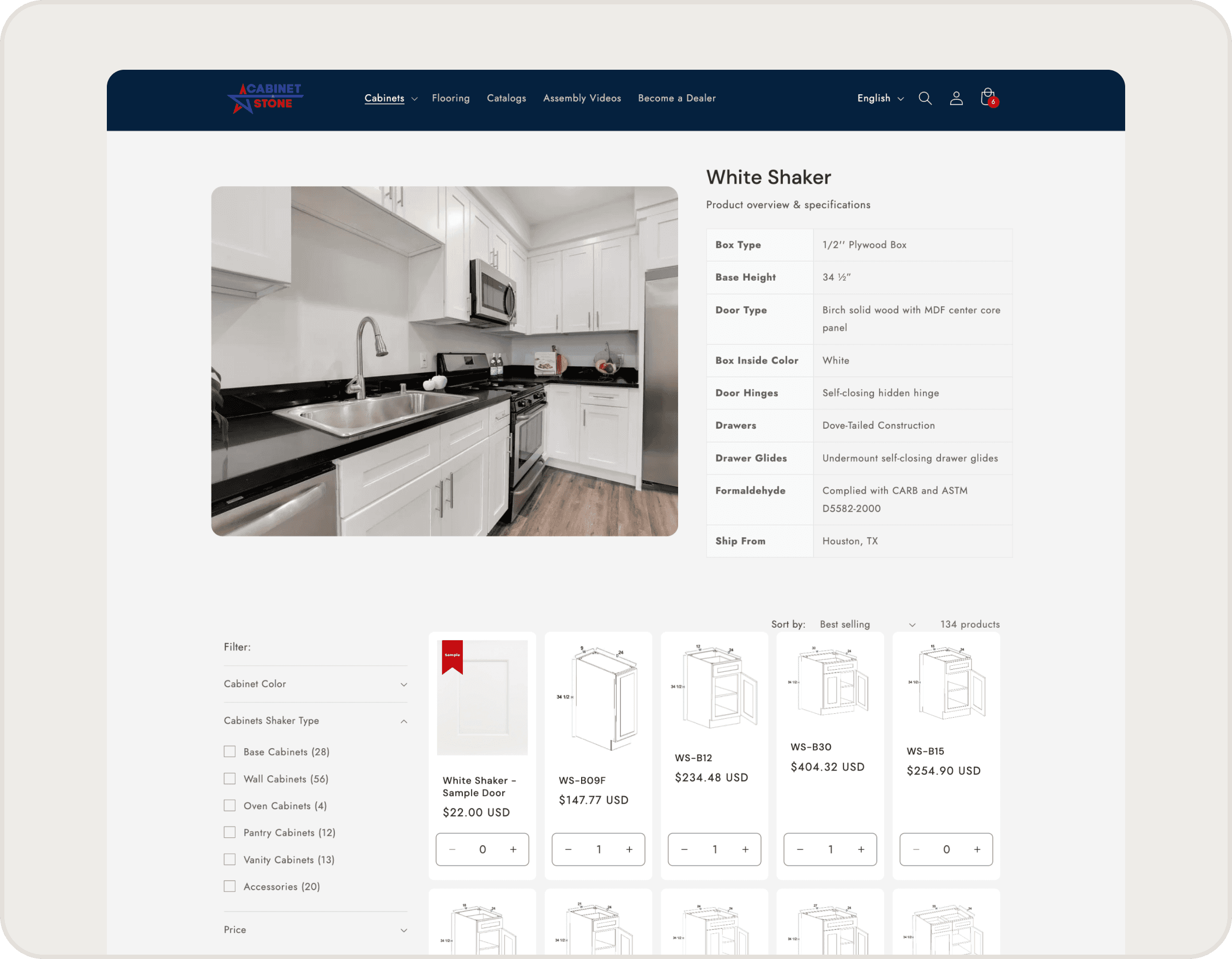
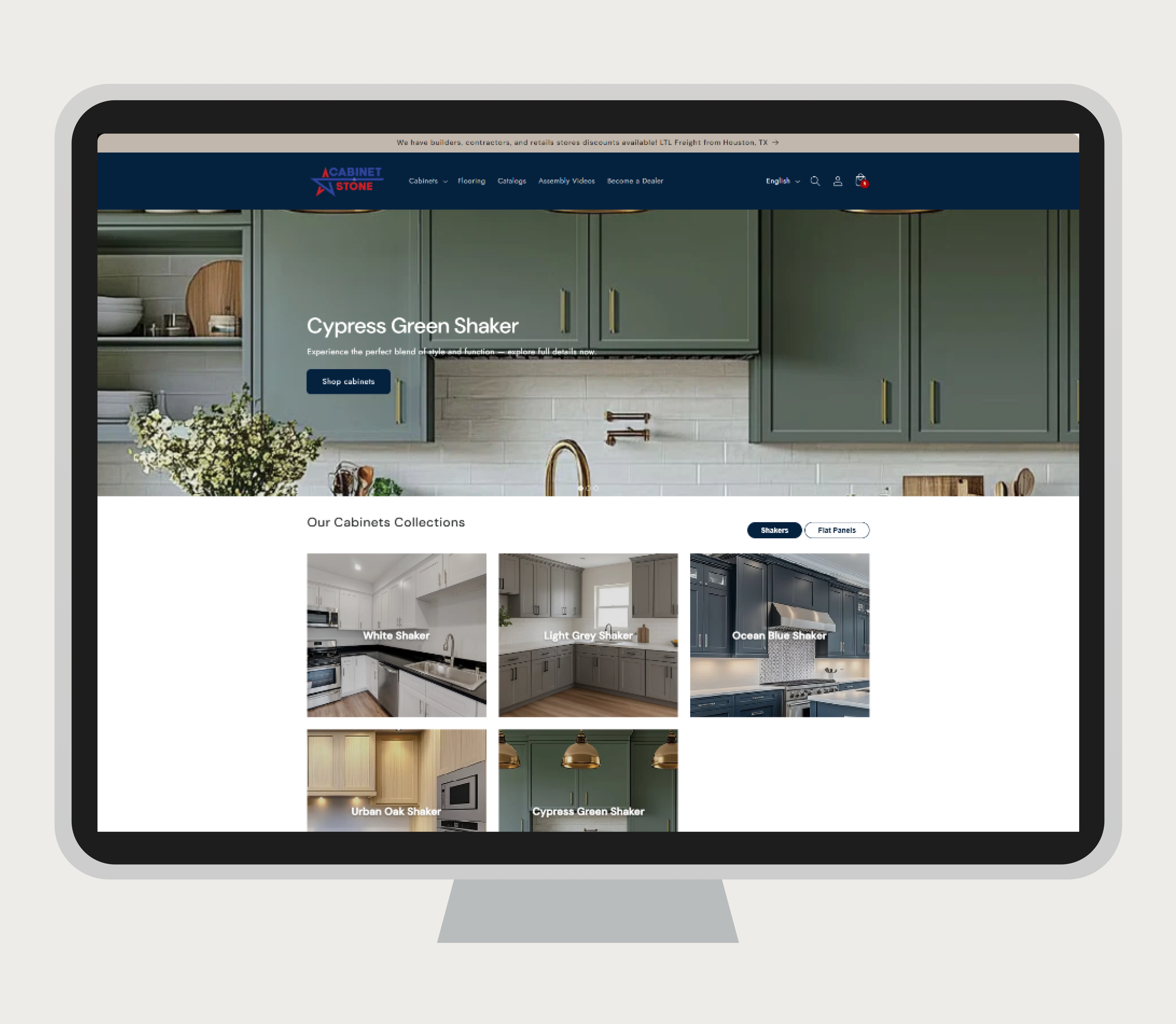
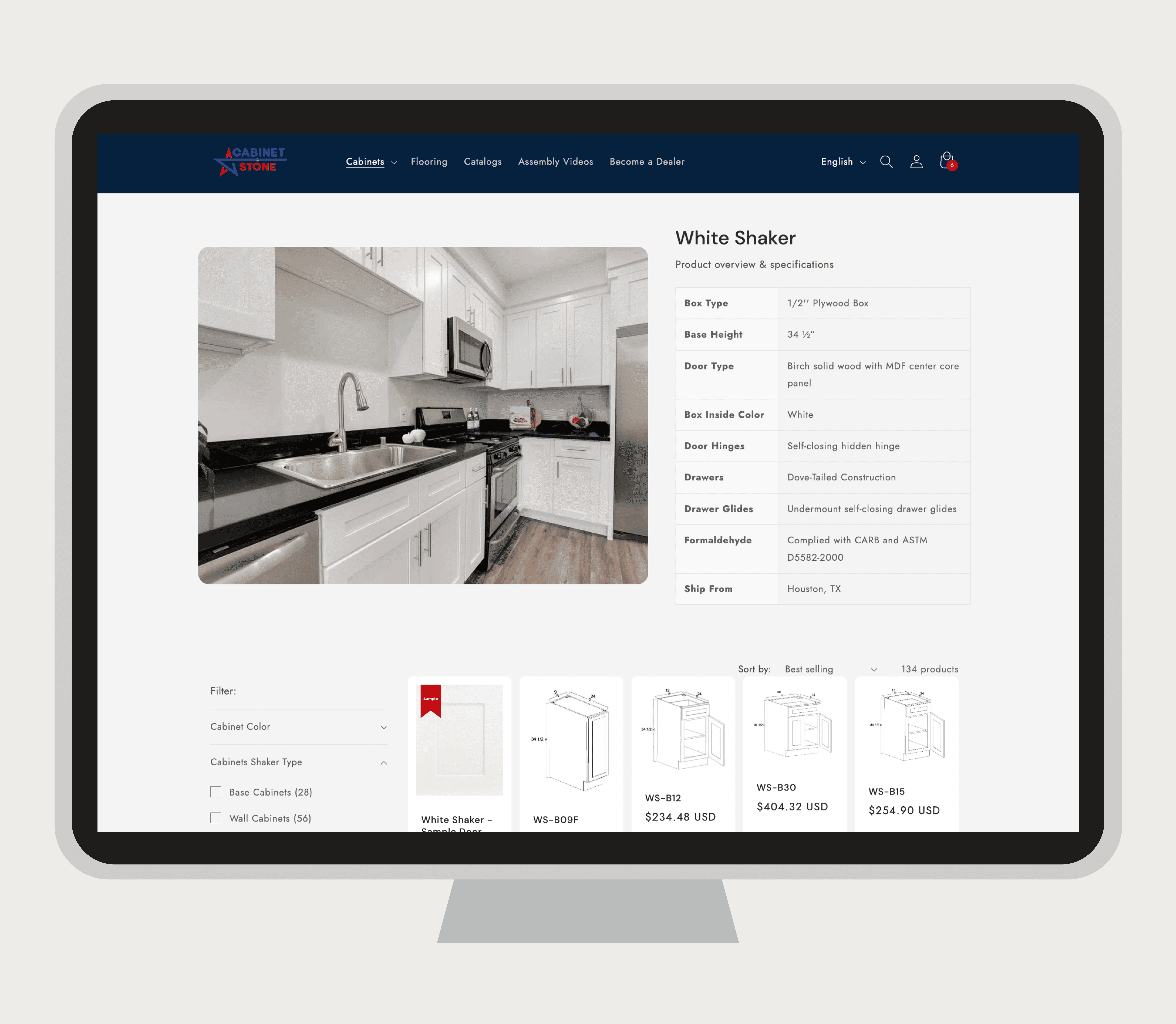
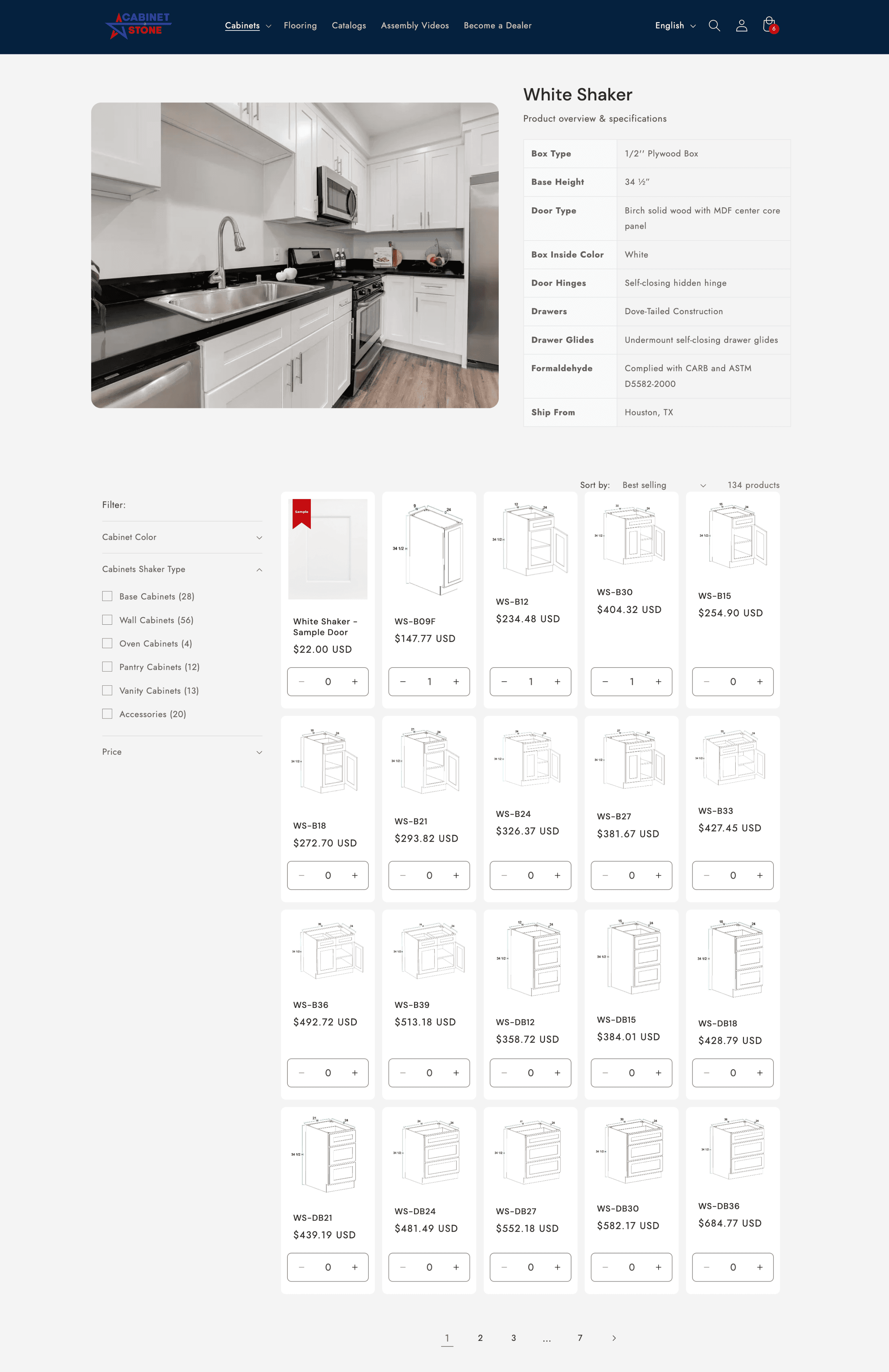
Product Browsing
Product Browsing
Clear specs upfront reduce sales back-and-forth before checkout.
Clear specs upfront reduce sales back-and-forth before checkout.
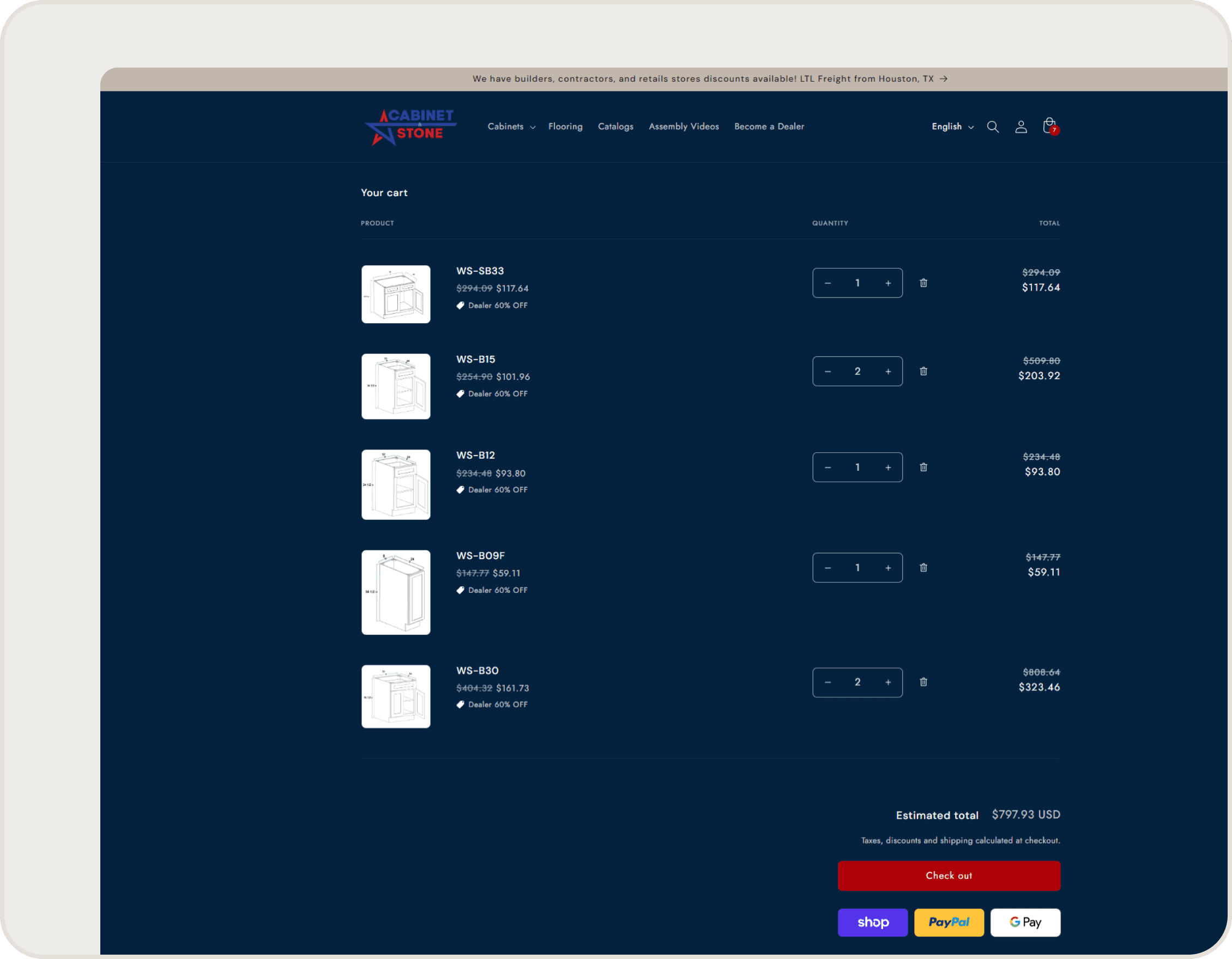
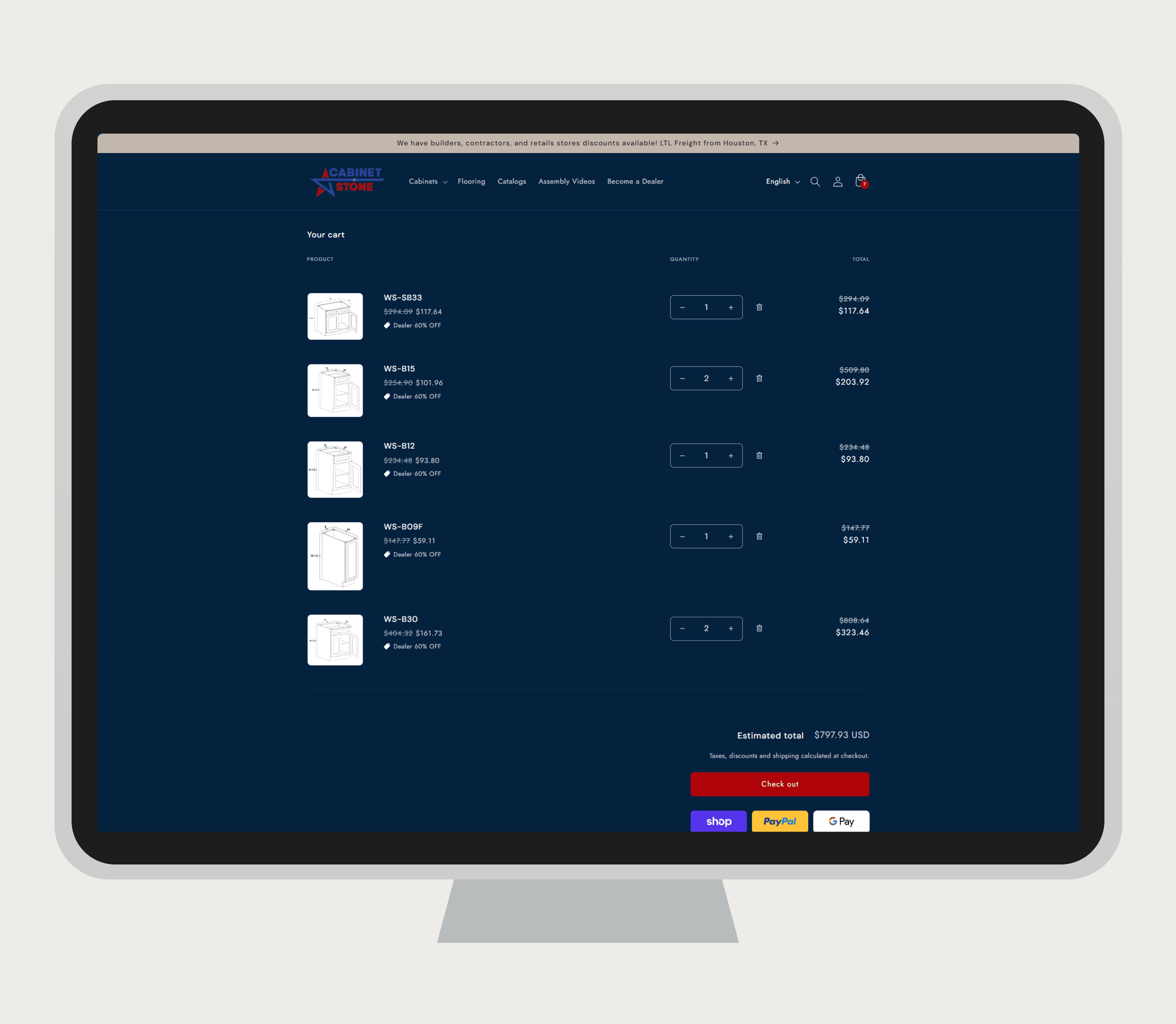
Dealer-Only Pricing Access
Dealer-Only Pricing Access
Wholesale pricing is visible only to approved dealers.
Wholesale pricing is visible only to approved dealers.
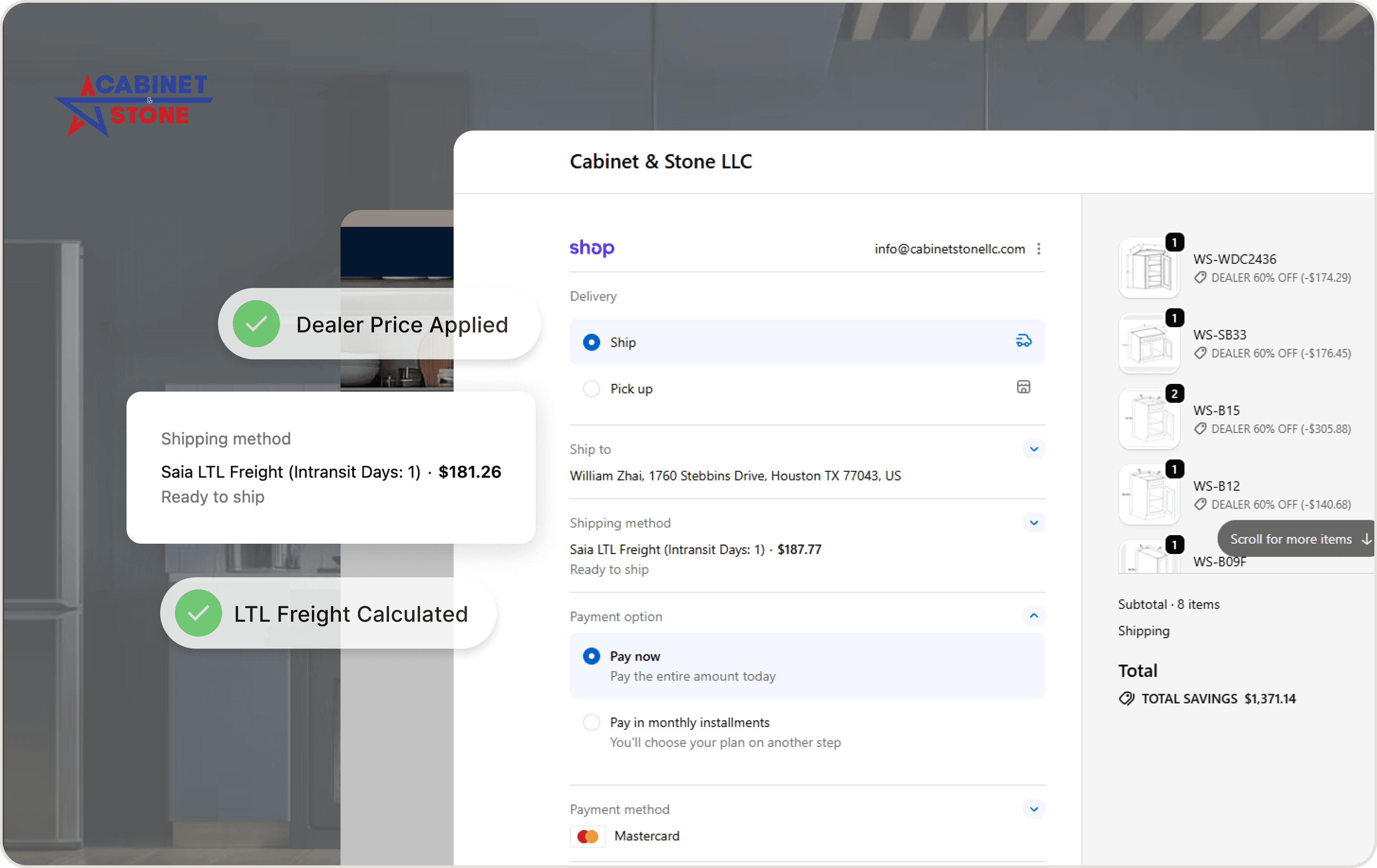
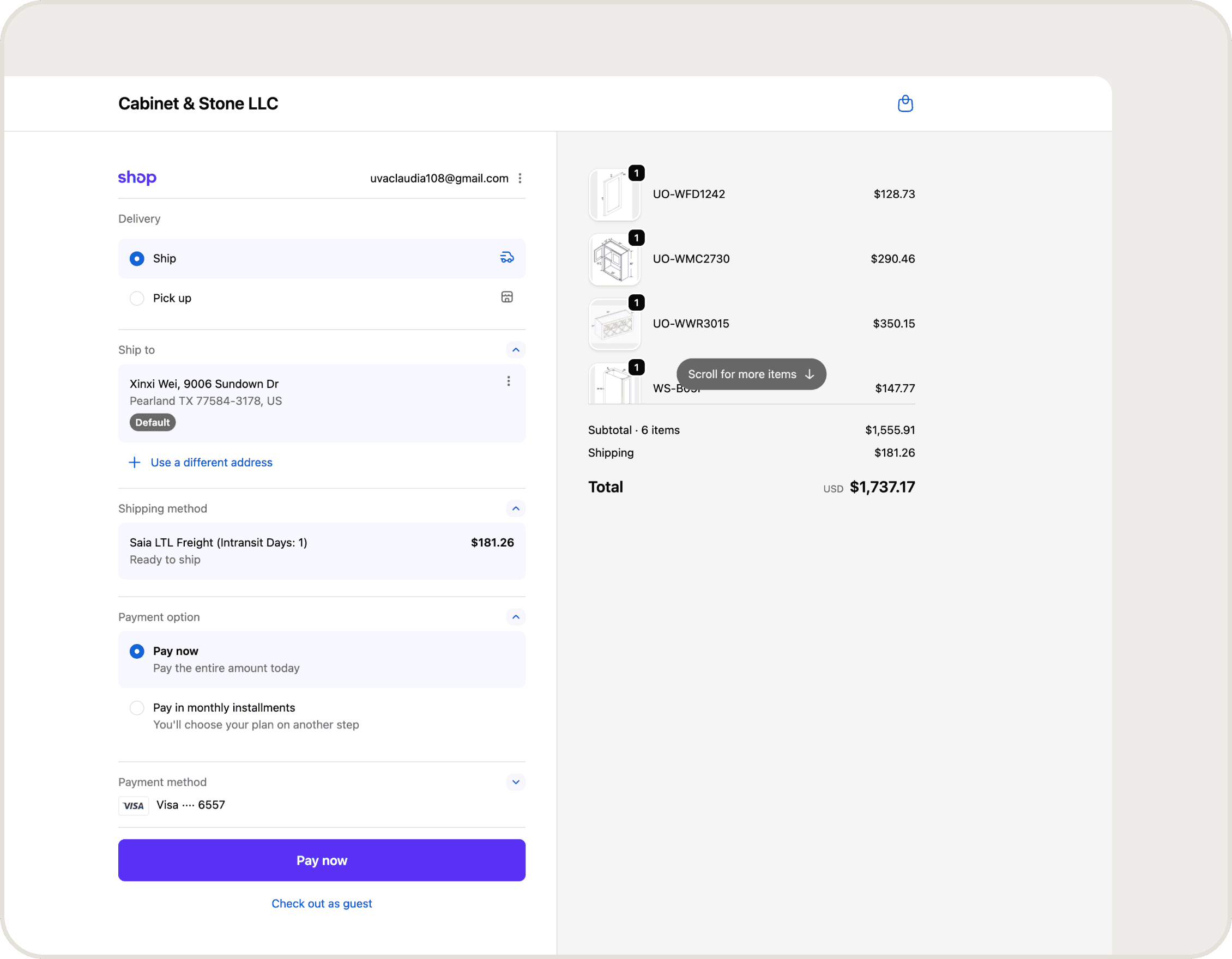
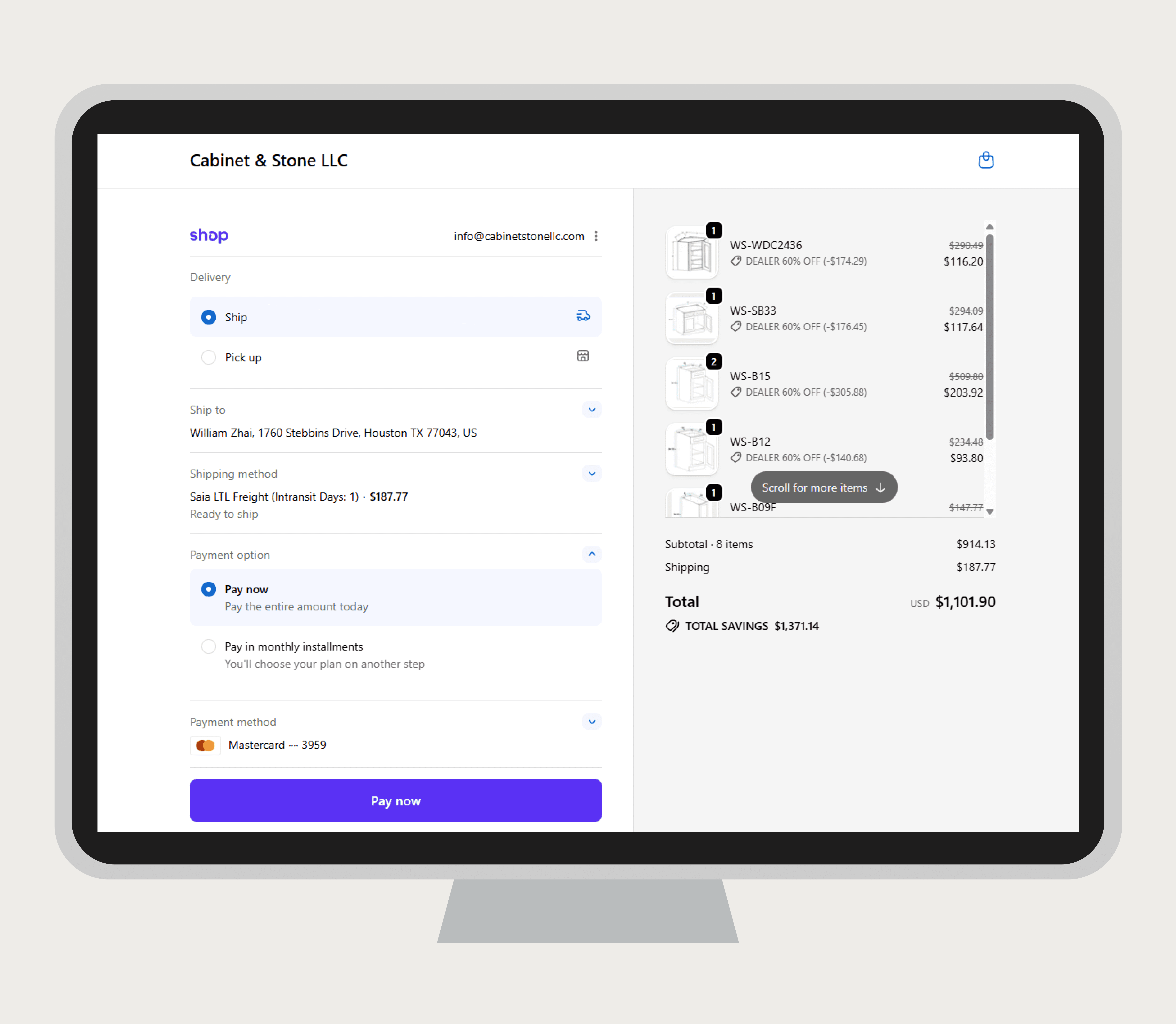
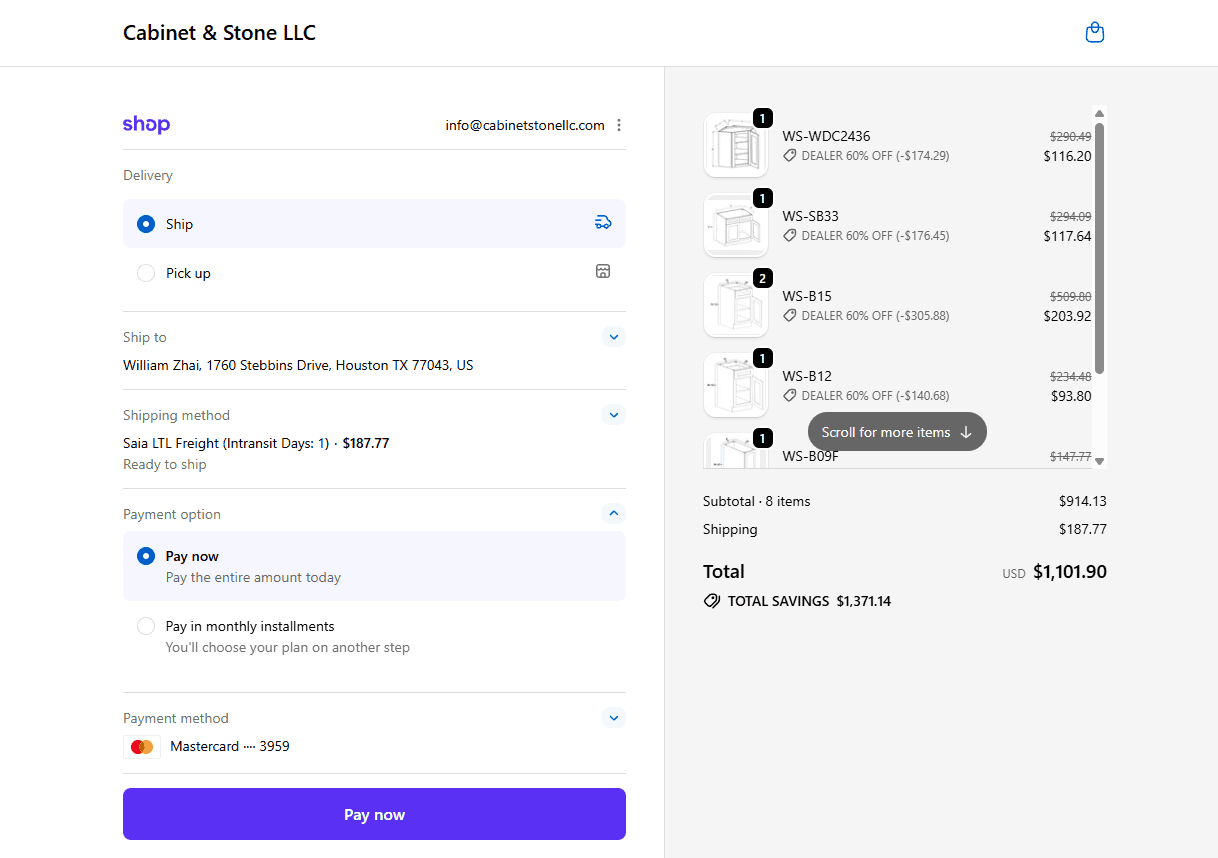
Checkout with Transparent Freight & Delivery
Checkout with Transparent Freight & Delivery
Upfront shipping costs reduce follow-up and surprises.
Upfront shipping costs reduce follow-up and surprises.
IMPACT
Launched and improved order efficiency rate
Launched and improved order efficiency rate
Following the launch in January 2026, the new online ordering system reduced reliance on manual quotes and improved overall ordering efficiency, supporting a more scalable B2B sales operation.
Following the launch in January 2026, the new online ordering system reduced reliance on manual quotes and improved overall ordering efficiency, supporting a more scalable B2B sales operation.
Launched online ordering for the first time
Launched online ordering for the first time
The platform successfully launched in January 2026, enabling customers to place cabinet orders online for the first time.
The platform successfully launched in January 2026, enabling customers to place cabinet orders online for the first time.
Improved ordering efficiency by ~30%
Improved ordering efficiency by ~30%
The new flow streamlined ordering and reduced back-and-forth, improving overall ordering efficiency by ~30%.
The new flow streamlined ordering and reduced back-and-forth, improving overall ordering efficiency by ~30%.
Reduced Manual Quotes
Reduced Manual Quotes
By introducing a self-serve checkout with freight pricing logic, the system significantly reduced reliance on manual quotes.
By introducing a self-serve checkout with freight pricing logic, the system significantly reduced reliance on manual quotes.
CONTEXT
Why online ordering was never an option
Why online ordering was never an option
Before designing the solution, I initiated stakeholder meetings to understand why online checkout had been delayed for years—and what risks the business could not afford to take.
Before designing the solution, I initiated stakeholder meetings to understand why online checkout had been delayed for years—and what risks the business could not afford to take.
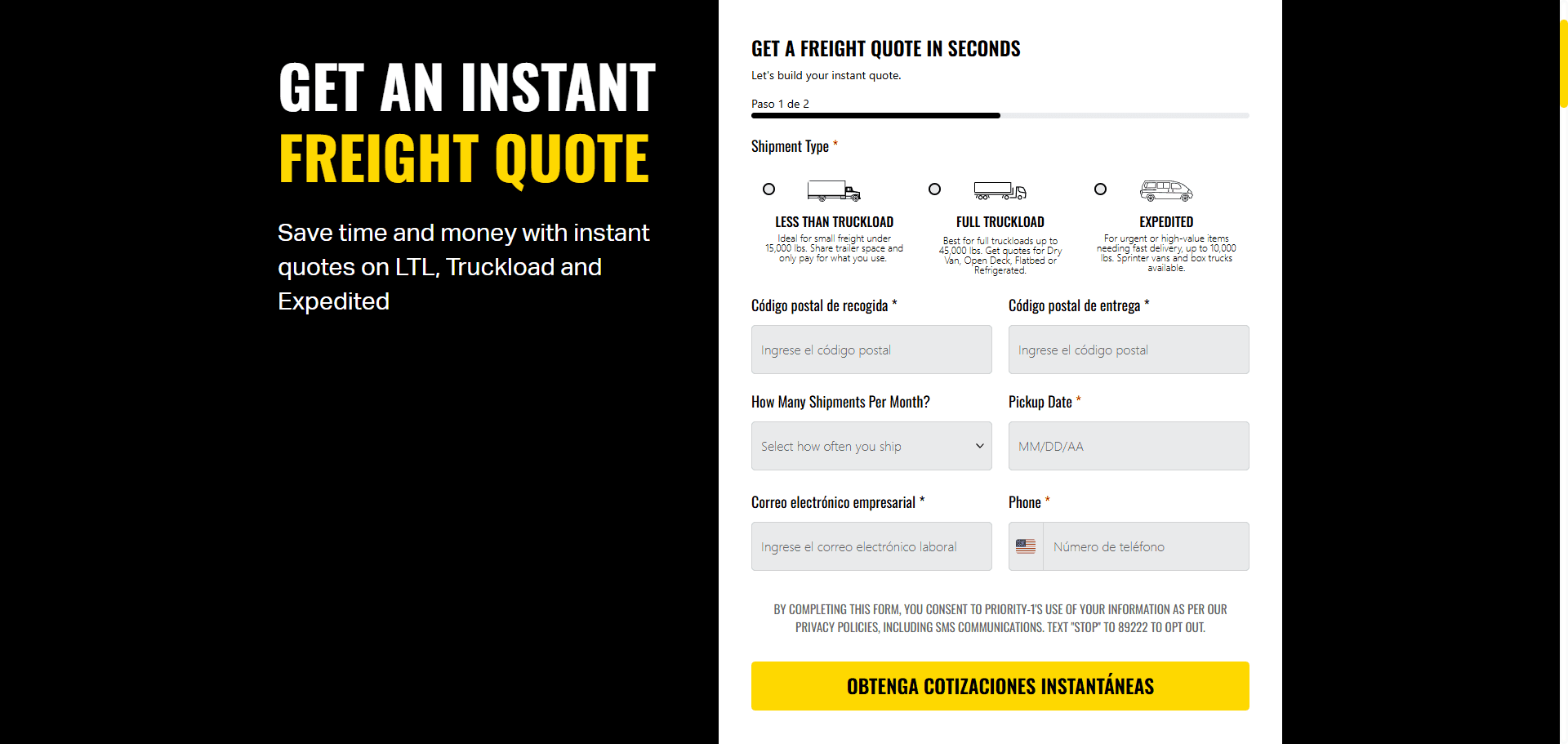
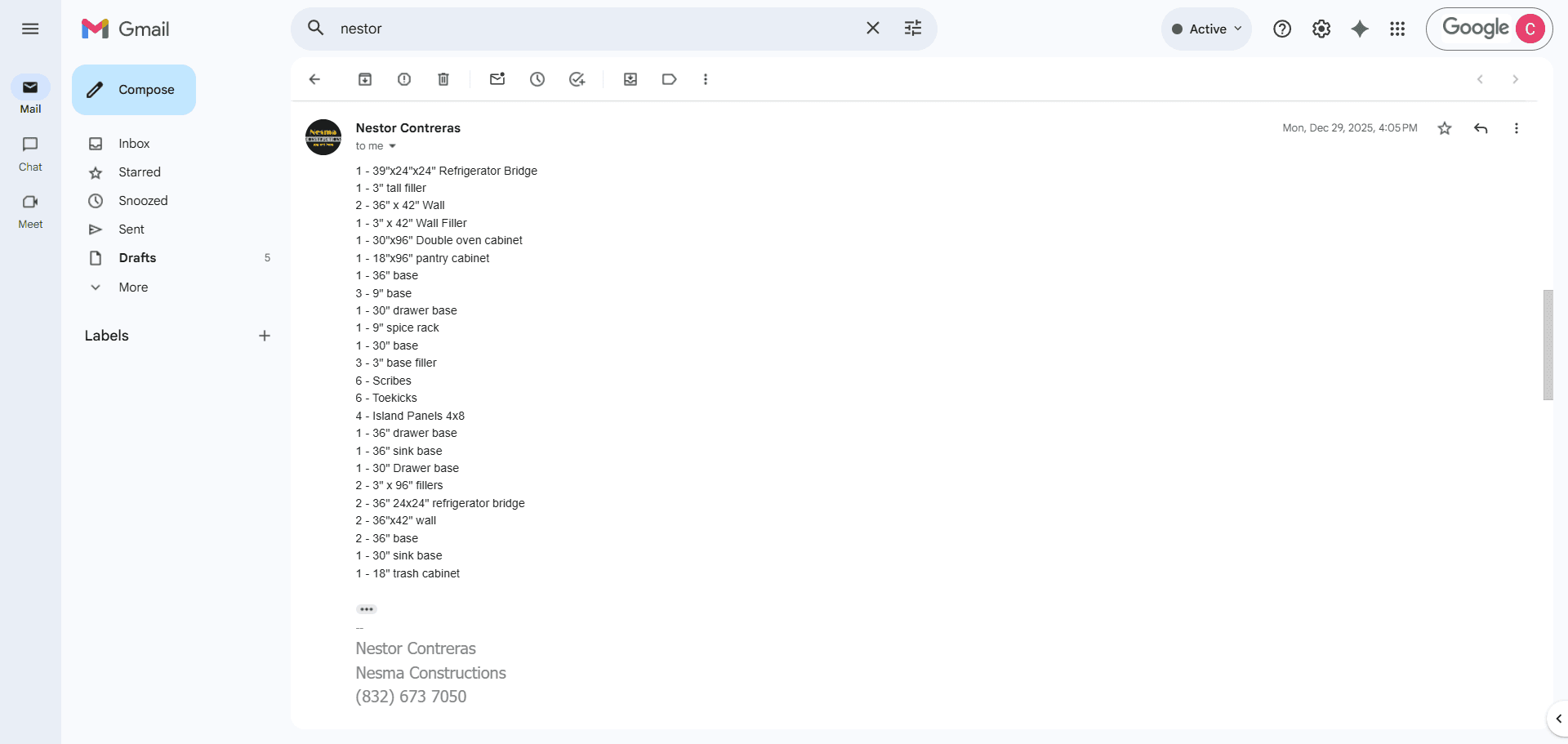
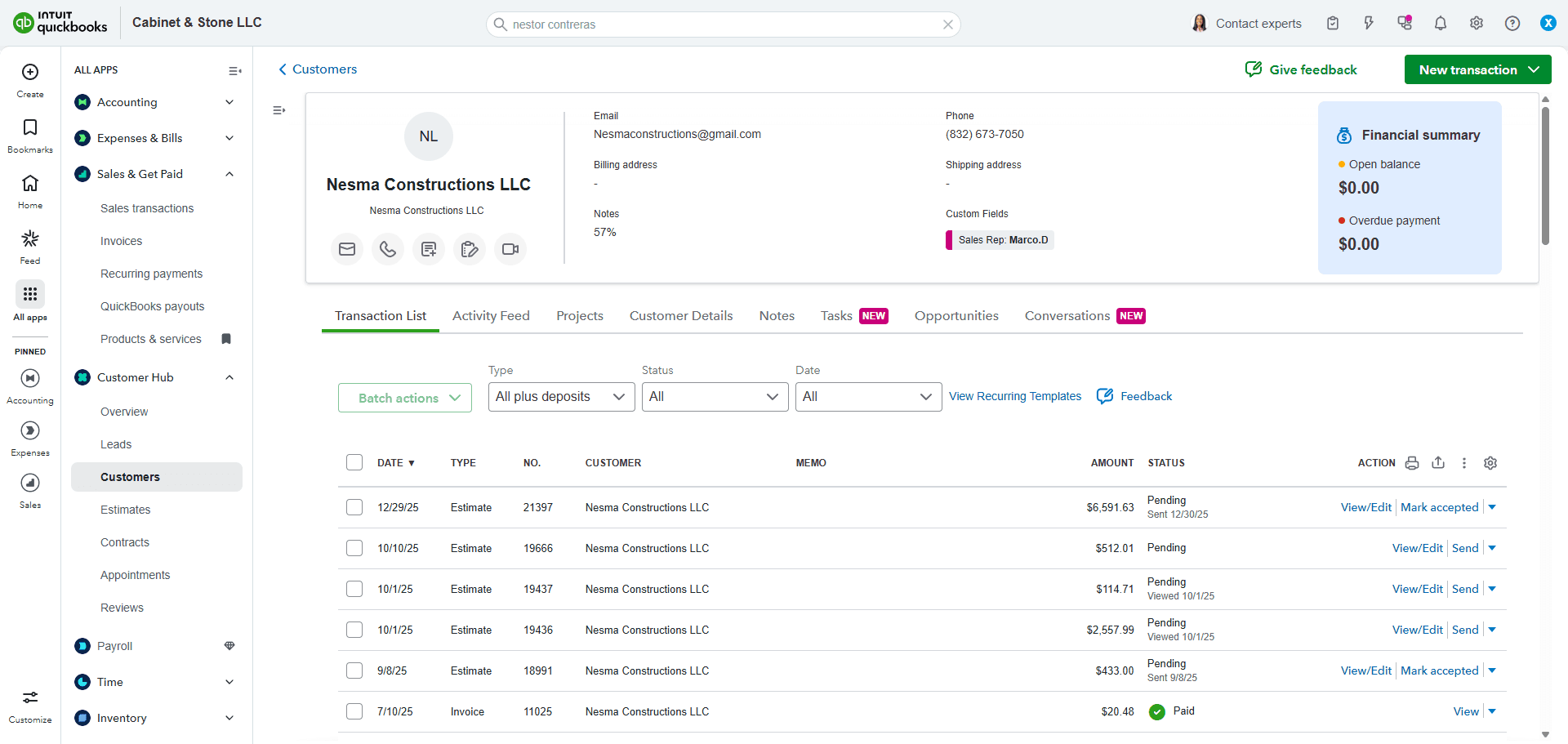
Fragmented systems
Pricing, discounts, and freight calculations lived across multiple tools, making automation difficult.
High pricing risk
Freight costs depended on pallets, weight, and destination—small errors could lead to significant financial loss.

Operational dependency
Accurate quotes relied on a few experienced individuals, creating delays and scalability issues.
Fragmented systems
Pricing, discounts, and freight calculations lived across multiple tools, making automation difficult.
High pricing risk
Freight costs depended on pallets, weight, and destination—small errors could lead to significant financial loss.
Operational dependency
Accurate quotes relied on a few experienced individuals, creating delays and scalability issues.
PROBLEM STATEMENT
How might we enable accurate, dealer-specific quotes without manual back-and-forth?
How might we enable accurate, dealer-specific quotes without manual back-and-forth?
With these constraints in mind, the goal was not simply to “add checkout,”but to design a self-serve ordering system that balanced speed, accuracy, and risk.
With these constraints in mind, the goal was not simply to “add checkout,”but to design a self-serve ordering system that balanced speed, accuracy, and risk.
DESIGN EXPLORATIONS
Exploring Self-Serve Ordering
Exploring Self-Serve Ordering
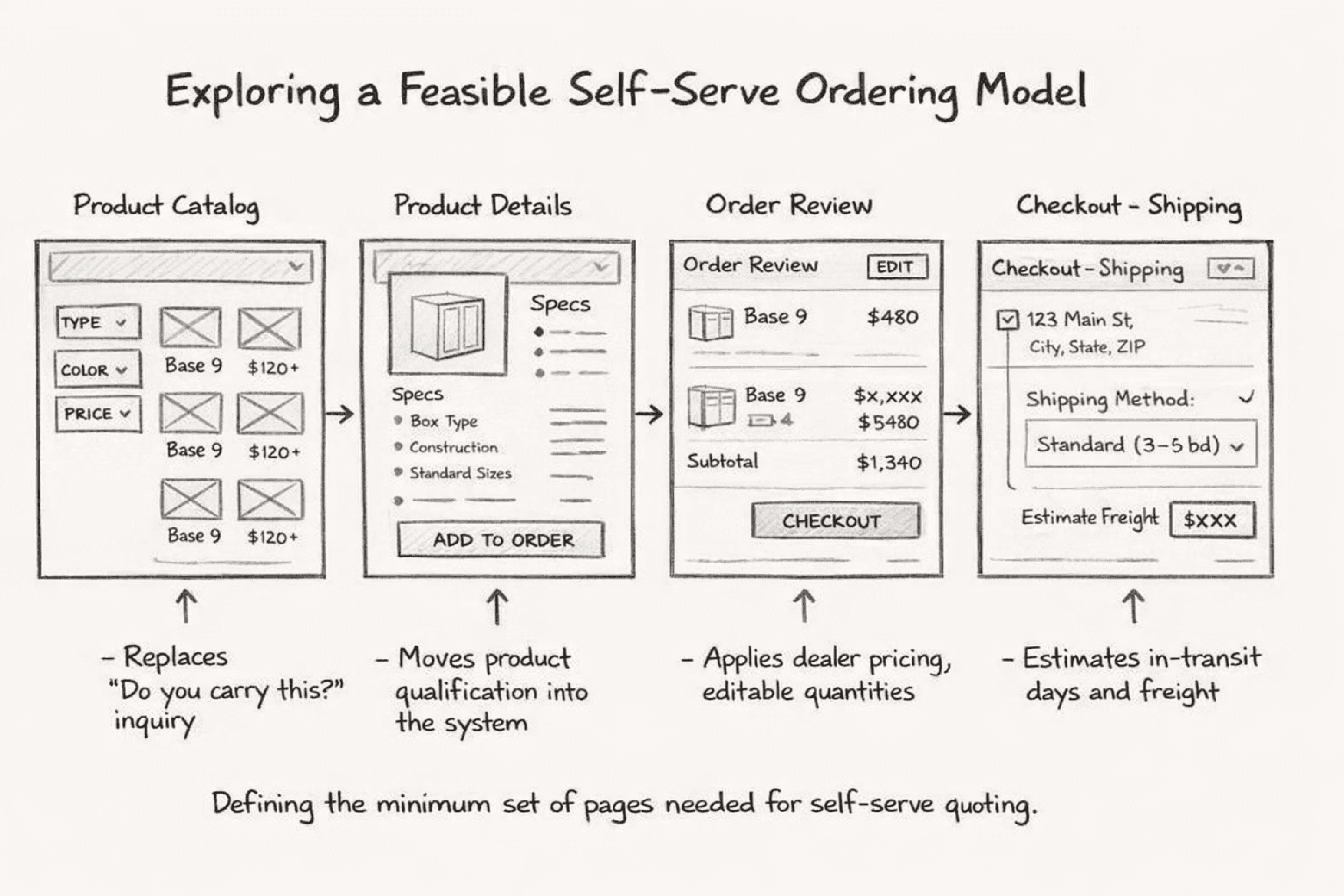
Instead of designing idealized flows, I focused on defining a self-serve ordering model that could realistically replace the manual quoting process.
I worked closely with devs to validate what could be automated within Shopify, and where constraints around pricing, freight, and inventory needed to shape the experience.
Instead of designing idealized flows, I focused on defining a self-serve ordering model that could realistically replace the manual quoting process.
I worked closely with devs to validate what could be automated within Shopify, and where constraints around pricing, freight, and inventory needed to shape the experience.
ITERATION
Product Browsing & Filters
Product Browsing & Filters
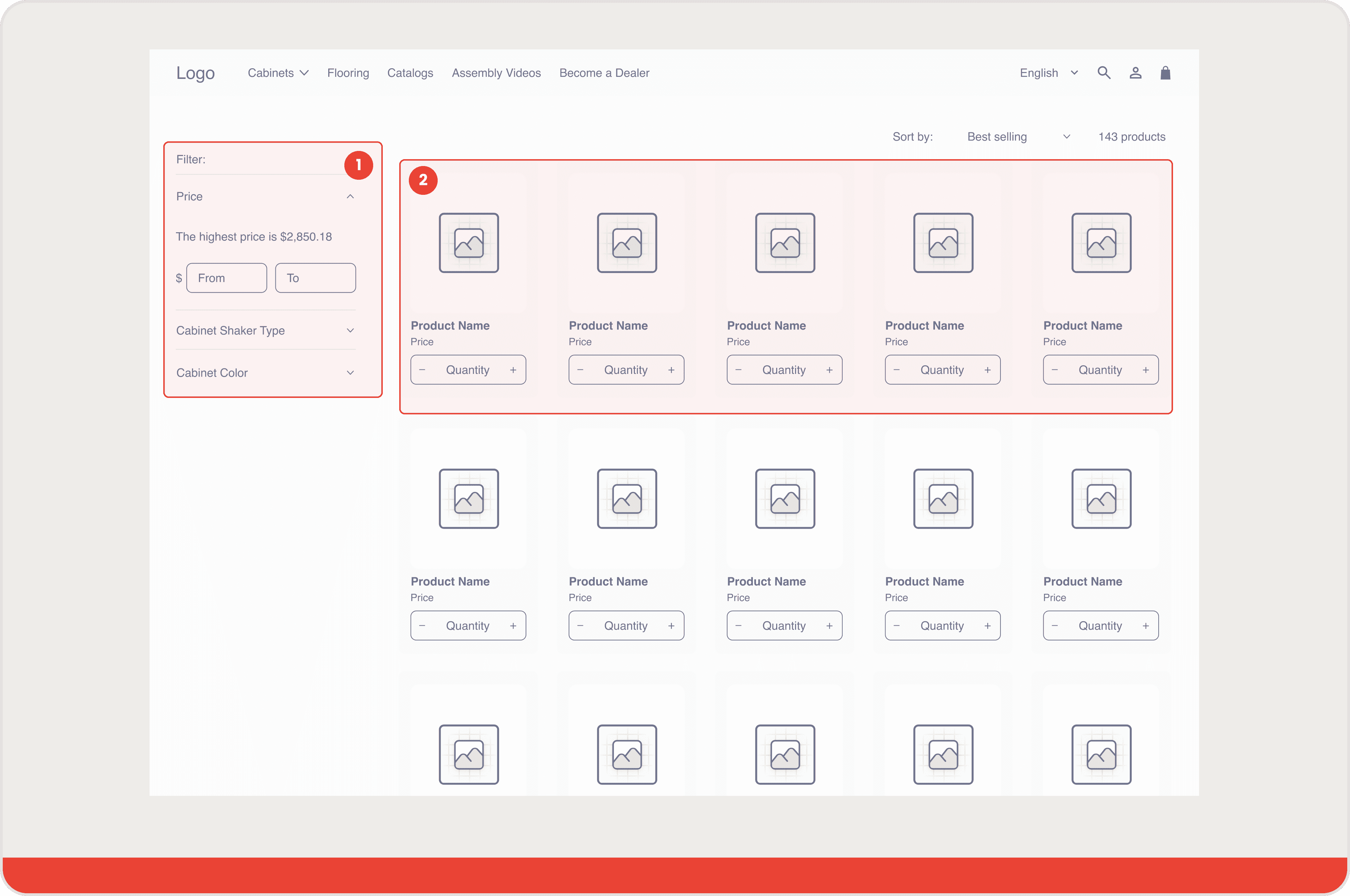
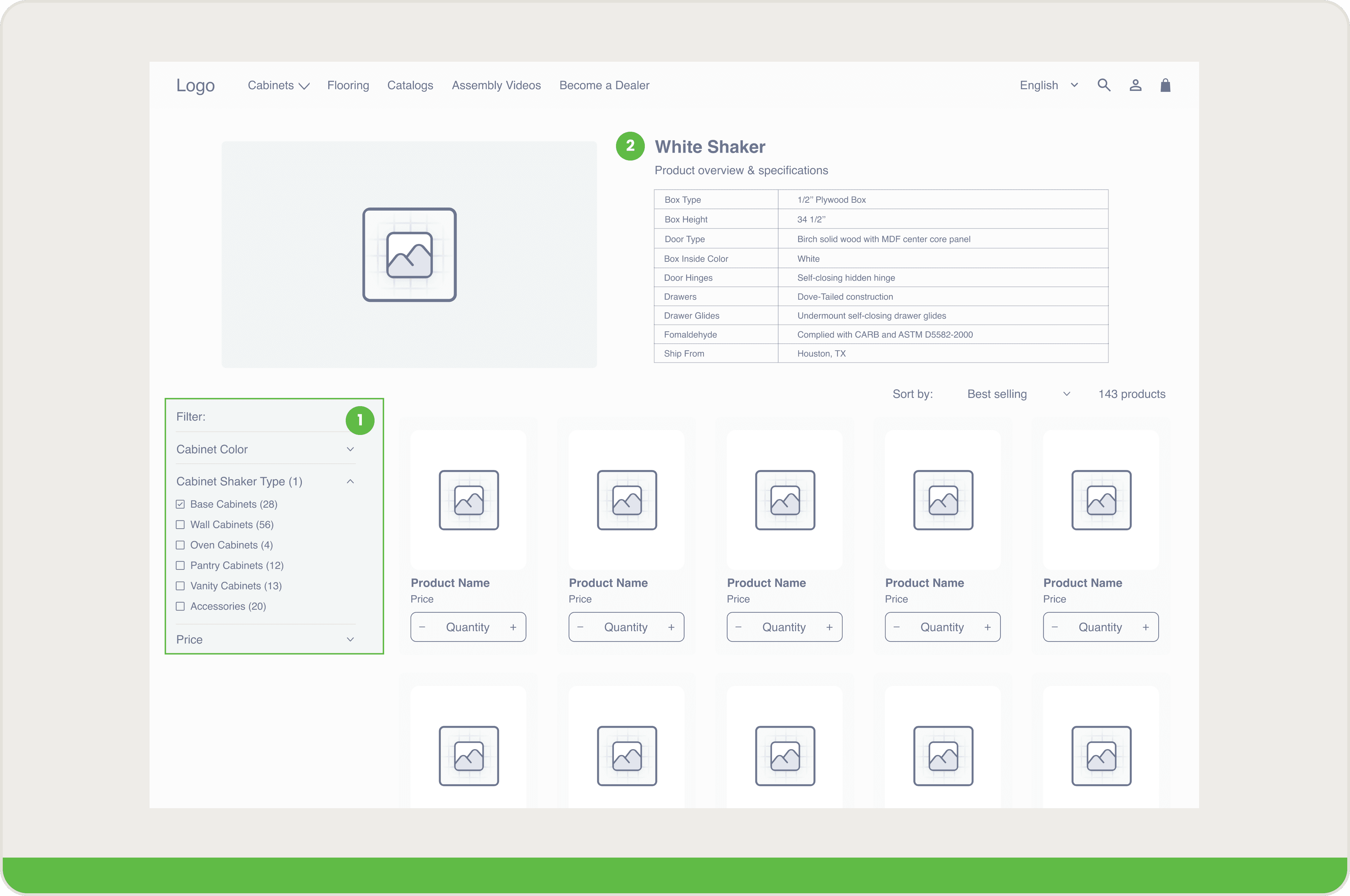
After the initial implementation, I initiated feedback sessions with sales, and operations to identify friction points in product discovery and checkout. Several issues emerged around missing product context, and filtering behavior which informed the following iterations.
After the initial implementation, I initiated feedback sessions with sales, and operations to identify friction points in product discovery and checkout. Several issues emerged around missing product context, and filtering behavior which informed the following iterations.
Before
Before
1
Filter priorities didn’t match B2B search behavior.
Filter priorities didn’t match B2B search behavior.
2
Product context was hard to access.
Product context was hard to access.
After
After
1
Reordered filters to reflect how B2B buyers search.
Reordered filters to reflect how B2B buyers search.
2
Made critical product specs visible without leaving the page.
Made critical product specs visible without leaving the page.
Reducing Decision Friction at Checkout
Reducing Decision Friction at Checkout
Before proposing UI changes, I worked closely with the PM and backend engineers to validate whether in-transit days could be reliably surfaced through the freight API.Only after confirming technical feasibility did I move forward with simplifying the checkout experience.
Before proposing UI changes, I worked closely with the PM and backend engineers to validate whether in-transit days could be reliably surfaced through the freight API.Only after confirming technical feasibility did I move forward with simplifying the checkout experience.
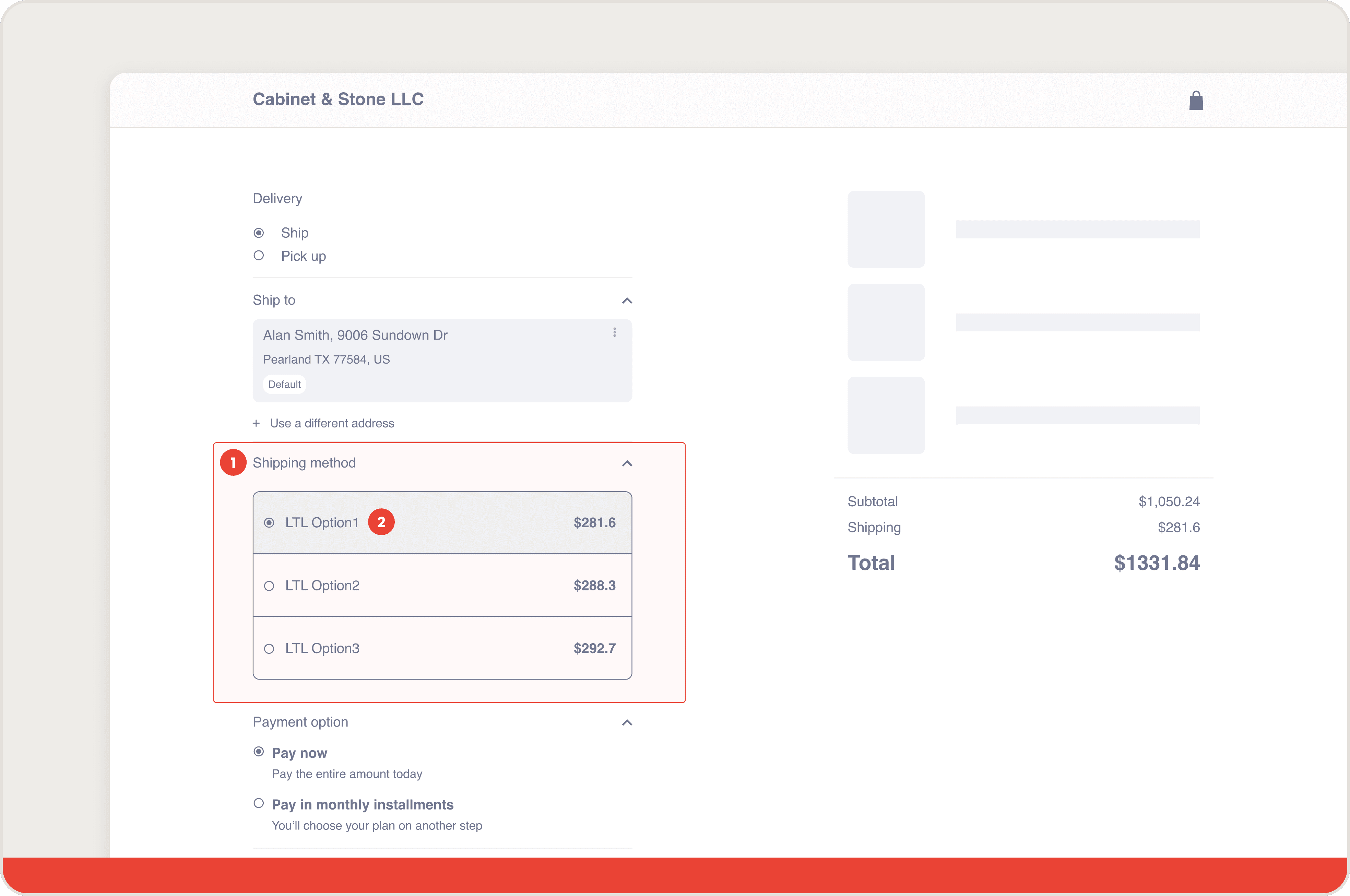
Before
Before
1
Too many freight options slowed decision-making
Too many freight options slowed decision-making
2
Delivery timing was missing, forcing follow-up communication
Delivery timing was missing, forcing follow-up communication
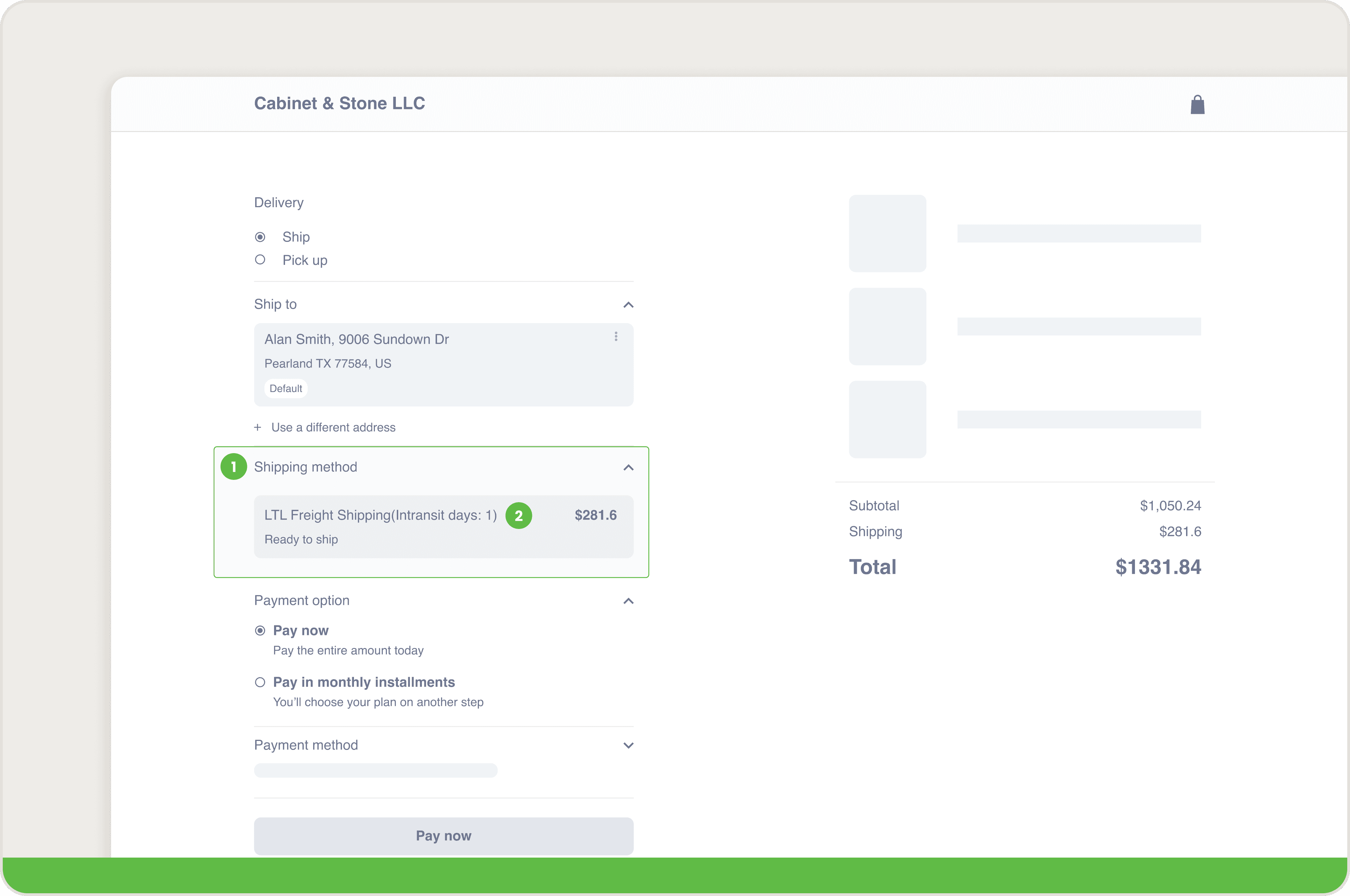
After
After
1
Defaulting to the cheapest option.
Defaulting to the cheapest option.
2
Making delivery timelines visible at checkout.
Making delivery timelines visible at checkout.
FINAL SOLUTION

NEXT STEPS
If We Had More Time...
If We Had More Time...
Now that the core ordering experience is live, the next step is working closely with engineering to scale the system:
Streamline dealer and internal workflows as order volume and user diversity increase.
Validate system impact through post-launch metrics, including dealer adoption, ordering drop-off, and sales efficiency.
Now that the core ordering experience is live, the next step is working closely with engineering to scale the system:
Streamline dealer and internal workflows as order volume and user diversity increase.
Validate system impact through post-launch metrics, including dealer adoption, ordering drop-off, and sales efficiency.
REFLECTION
My Takeaways...
My Takeaways...
Build trust with stakeholders
I learned that genuinely valuing stakeholder input made collaboration smoother and decisions more aligned.
Design is never perfect in real-world conditions
Budget limits, engineering capacity, and existing systems shaped what was possible. My role wasn’t to design an ideal solution, but to make thoughtful trade-offs that delivered real value within those constraints.
Build trust with stakeholders
I learned that genuinely valuing stakeholder input made collaboration smoother and decisions more aligned.
Design is never perfect in real-world conditions
Budget limits, engineering capacity, and existing systems shaped what was possible. My role wasn’t to design an ideal solution, but to make thoughtful trade-offs that delivered real value within those constraints.
© 2026 Claudia Wei · Made with lots of dark roast coffee
© 2026 Claudia Wei · Made with lots of dark roast coffee
© 2026 Claudia Wei · Made with lots of dark roast coffee